


Throughout the previous stages of this series, we have explored how historical research, heritage recording and geophysical surveys can progressively build our understanding of an archaeological site. This evidence helps archaeologists identify potential remains and decide where further investigation may be necessary.
However, non-intrusive methods cannot answer every question about what lies beneath a site. Geophysical surveys may identify buried features, but they cannot always reveal their age, purpose or significance. Intrusive archaeological investigation allows archaeologists to examine physical evidence and test earlier interpretations. These findings also help inform decisions about how to manage and protect archaeological remains.
After Stage 4, archaeologists may need to examine selected areas directly. This helps them establish the nature and significance of possible archaeological remains. Archaeologists use different intrusive investigation methods depending on the questions they need to answer. Trial trenching exposes sections of the ground to examine potential archaeological features, while smaller test pits focus on specific locations. Boreholes and coring allow specialists to collect samples of underlying deposits, helping them understand the layers beneath the surface. Where necessary, more extensive archaeological excavation allows archaeologists to carefully expose, record and examine buried remains in greater detail.
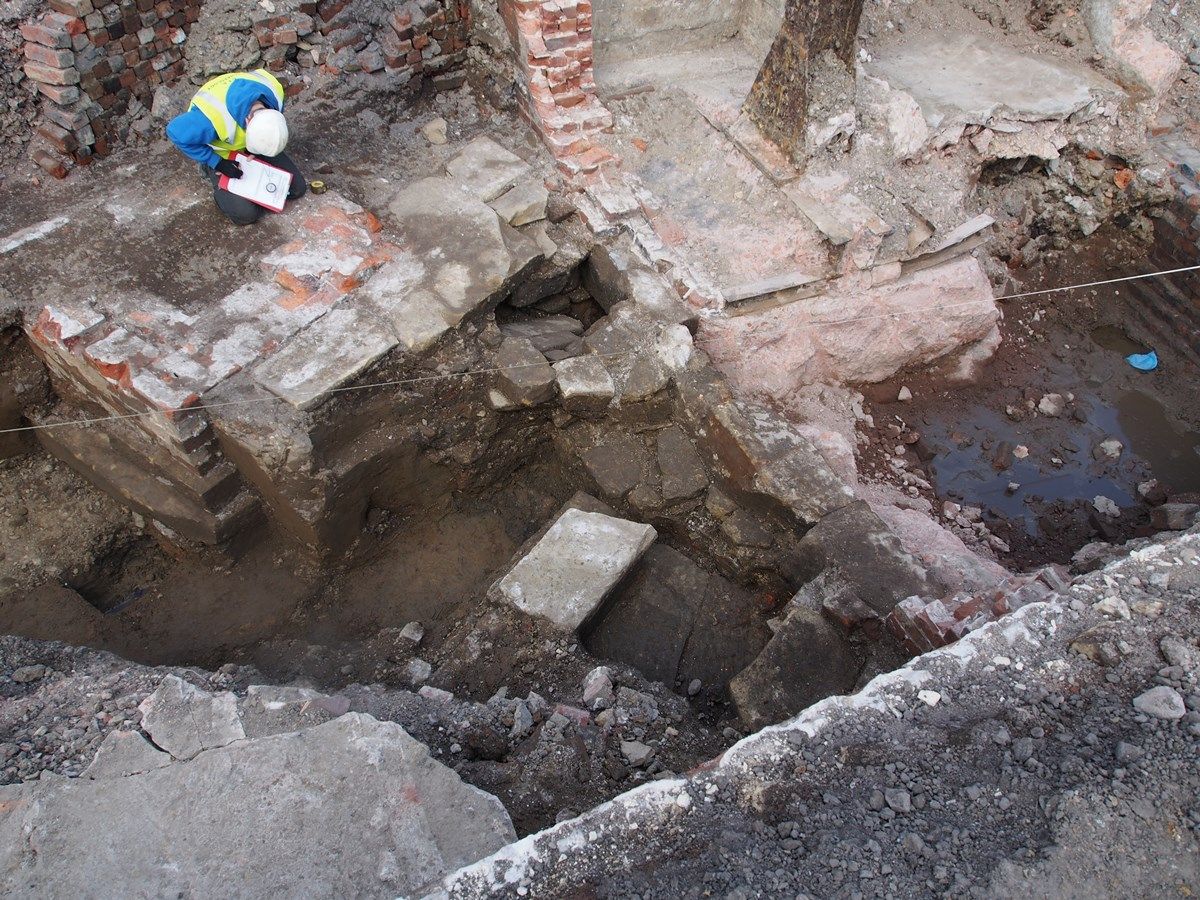
Exposed historic brickwork and structural remains being examined during an archaeological excavation.
Unlike geophysical surveys, excavation provides an opportunity to examine archaeological materials and their relationships within the ground. For example, pottery, building materials or other finds may help establish the date and use of a feature when considered alongside its archaeological context.
While geophysical surveys can identify possible buried archaeological features, they cannot reliably establish when those features were created or how they were used. Excavation allows archaeologists to examine physical evidence such as pottery, building materials and other finds. These discoveries can help establish the age, purpose and significance of archaeological remains.
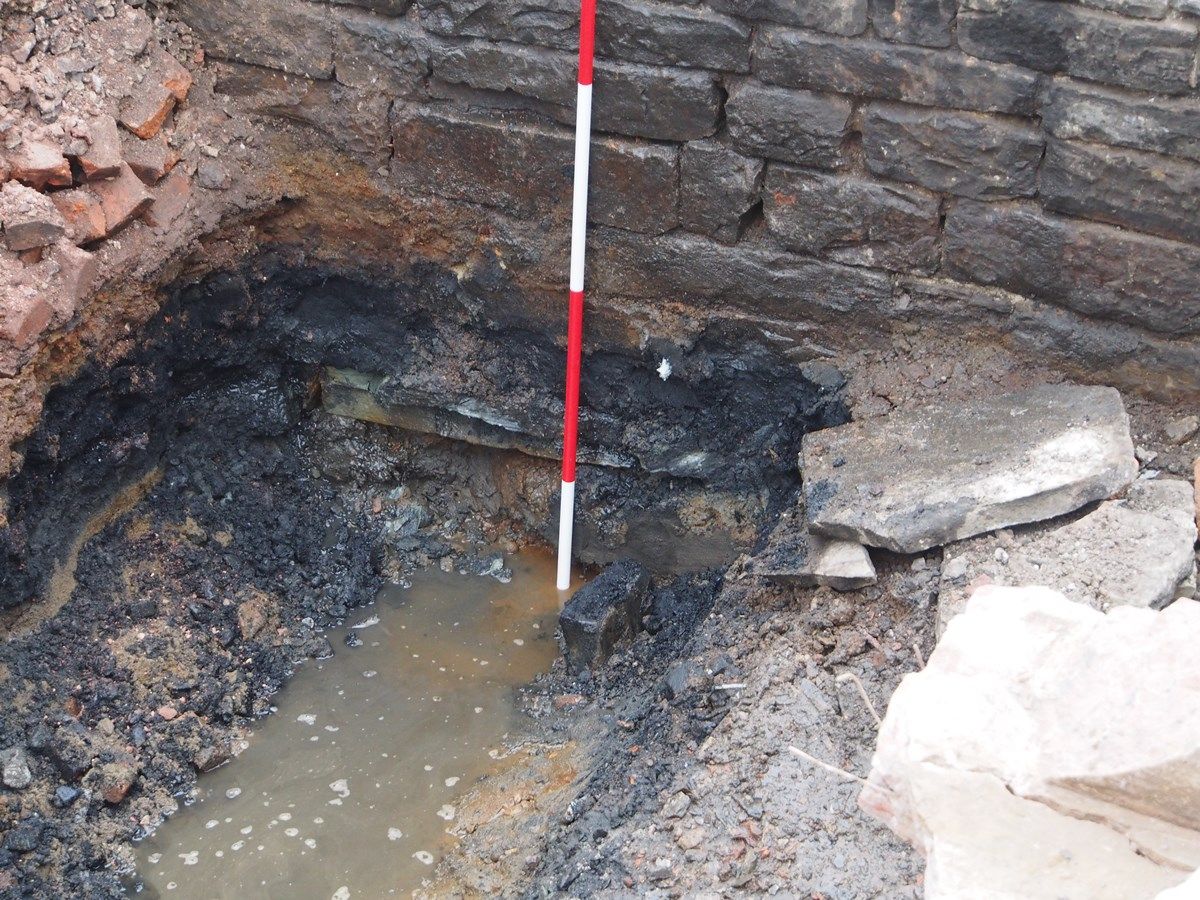
Exposed historic brickwork during an archaeological excavation, showing how intrusive investigation helps reveal and record buried structures.
Excavation can also reveal how a site developed over time. By examining different layers of soil and the relationships between buried features, archaeologists can identify different periods of activity. For example, an earlier ditch may have been filled in before a building was constructed nearby. Understanding this sequence helps create a clearer picture of how people used and changed the site throughout its history.
One of the main benefits of a phased approach is that information gathered during earlier investigations can help determine where intrusive work will provide the greatest value. Rather than positioning trenches without detailed supporting evidence, archaeologists can use the results of geophysical surveys and targeted investigations to examine specific features or unanswered questions.
For example, a trench might be positioned across a possible enclosure entrance to investigate its construction and use. Another could examine the relationship between a buried foundation and a nearby boundary, helping establish whether the features belong to the same period of activity. Archaeologists may also investigate areas with little or no geophysical response. This helps them assess whether ground conditions or survey limitations affected the results.
By focusing excavation on particular questions, archaeologists can gather valuable information while avoiding unnecessary disturbance to other parts of the site.
Intrusive investigation does more than confirm the presence of archaeological features. It can also help improve our understanding of the geophysical evidence collected during earlier stages. When excavation reveals the physical cause of an anomaly, archaeologists can compare the exposed feature with its original geophysical response.
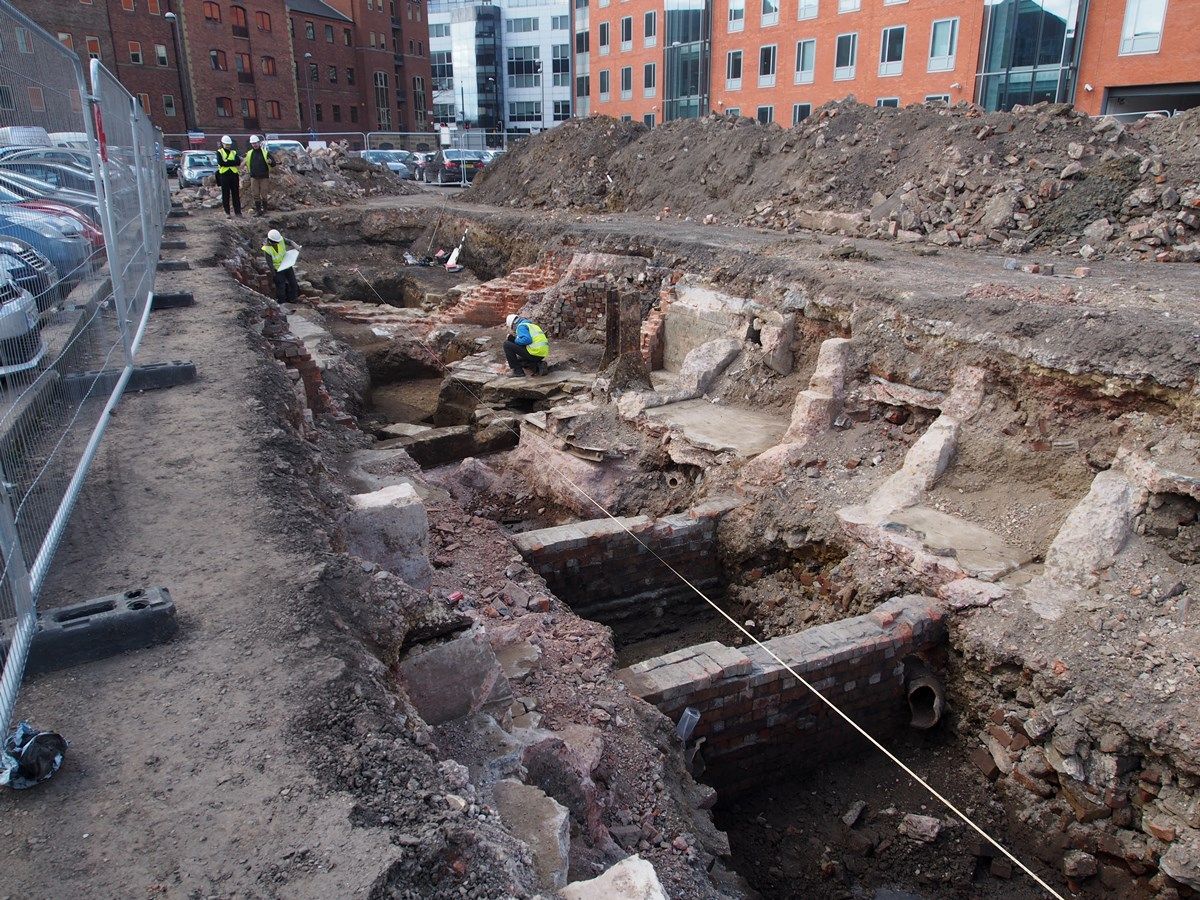
Exposed historic foundations and structural remains during an archaeological excavation, providing physical evidence to help interpret earlier survey findings.
This may confirm an earlier interpretation, reveal something unexpected or provide information that helps explain similar anomalies elsewhere. As a result, information flows in both directions: earlier surveys help guide excavation, while excavation findings can improve the interpretation of the wider site.
Intrusive archaeological investigation helps turn earlier survey findings into a clearer understanding of a site’s history. By examining physical evidence, archaeologists can confirm or challenge previous interpretations, identify different periods of activity and better understand the significance of buried remains. This information helps project teams make informed decisions about how to manage and protect important archaeological features.
However, understanding what lies beneath a site is only part of the process. Once the archaeological evidence has been assessed, the next step is deciding how those findings should influence future work.
In Stage 6 of our Heritage & Archaeology series, we’ll explore how archaeological mitigation, structural monitoring and interpretation help protect heritage assets, preserve important records and support decisions about the future of a site.
Comments Off on Heritage & Archaeology – Stage 5: Intrusive Archaeological Investigation