


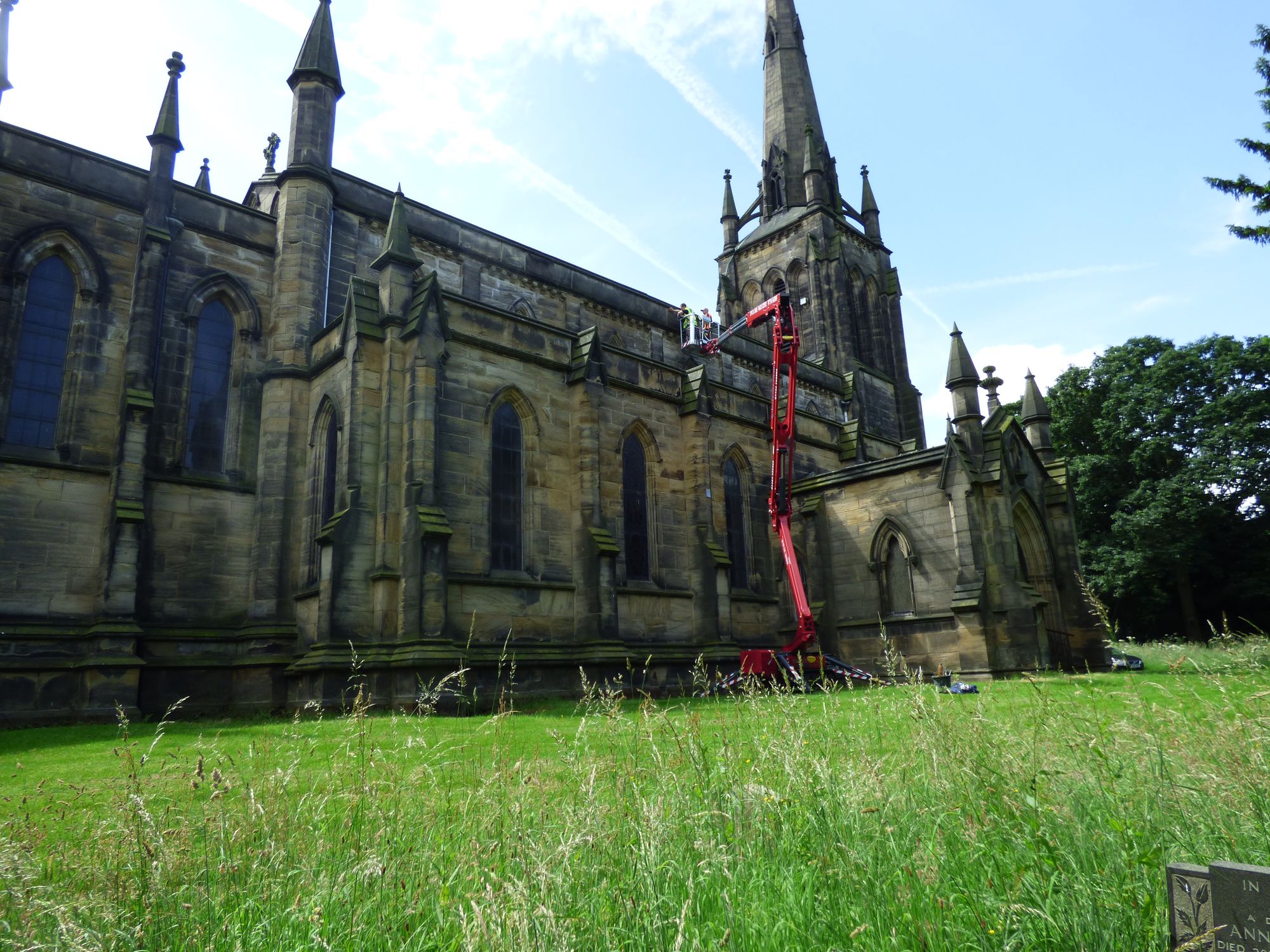
Heritage surveys play an important role in protecting historic buildings and sites across the UK. Many of these locations have stood for hundreds of years and require management to ensure they remain safe and preserved for future generations. Without proper documentation and planning, these valuable structures could be at risk of damage or loss. Companies like us (Met Consultancy Group) support this process by carrying out detailed and accurate surveys that provide the needed information about both the buildings and land.

Heritage sites are very old and, in some cases, fragile. Because of this, any work carried out on them must be carefully planned and managed. Even small changes can have a significant impact on the structure or its historical value. Professional surveying services allow experts to collect the detailed data needed to fully understand a site before any restoration, renovation, or development takes place. This information is then used by architects, developers, and conservation specialists to make informed decisions that protect the building’s integrity.
A heritage survey is a type of land and building survey that focuses on historic structures and culturally important sites. Its purpose is to record accurate information about a building’s size, layout, and condition. This ensures that everyone involved in a project has a clear understanding of what they are working with before any changes are made.
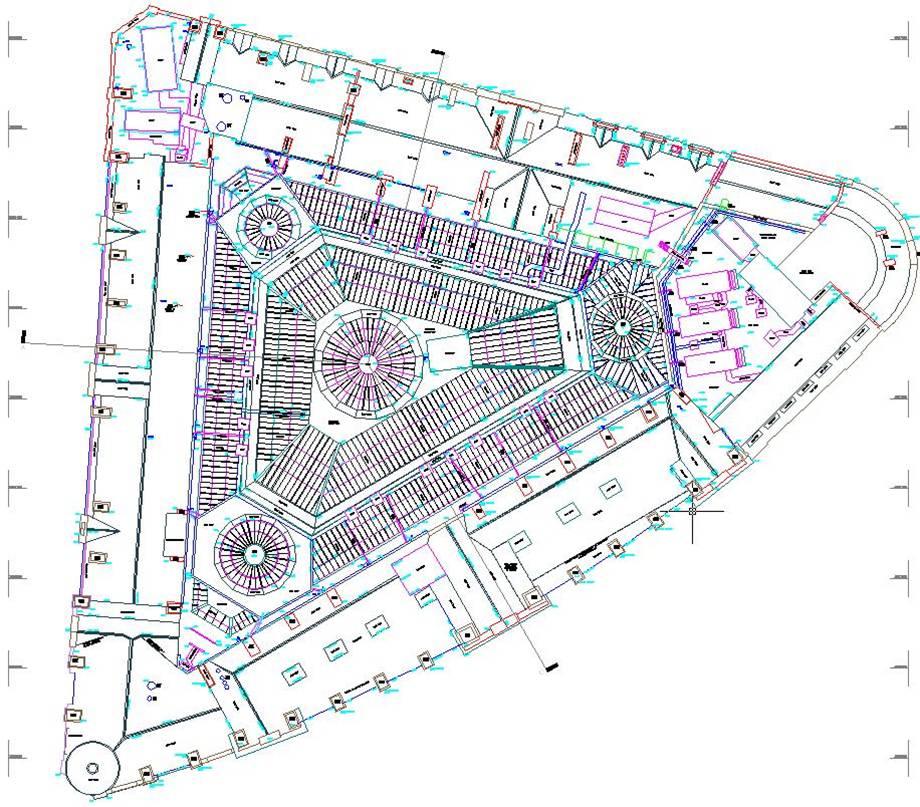
There are several different methods that can be used as part of a heritage survey. These often include measured building surveys, topographical surveys, and sometimes 3D laser scanning. Measured building surveys provide detailed drawings of the structure, including floor plans and elevations. Topographical surveys map the surrounding land and features, helping teams understand the wider site. 3D laser scanning is a more advanced method that captures accurate digital models of buildings, allowing for precise analysis.
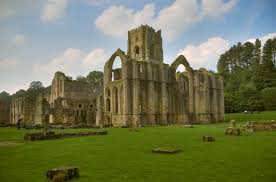
The data collected from these surveys is used to create accurate drawings and digital models. These resources are essential for planning repairs, restorations, or modifications, as they allow project teams to work without risking damage to important historical features.
Heritage surveys are important as many historic buildings in the UK are legally protected. Listed buildings and conservation areas are subject to strict planning regulations, meaning that detailed information must be provided before any work can be approved. Without accurate survey data, it can be difficult to gain the necessary permissions.
As well as meeting legal requirements, heritage surveys help identify structural issues and areas that may require repair. Older buildings can develop problems over time, such as movement, deterioration, or hidden damage. Survey data highlights these issues early, allowing them to be addressed safely and effectively.
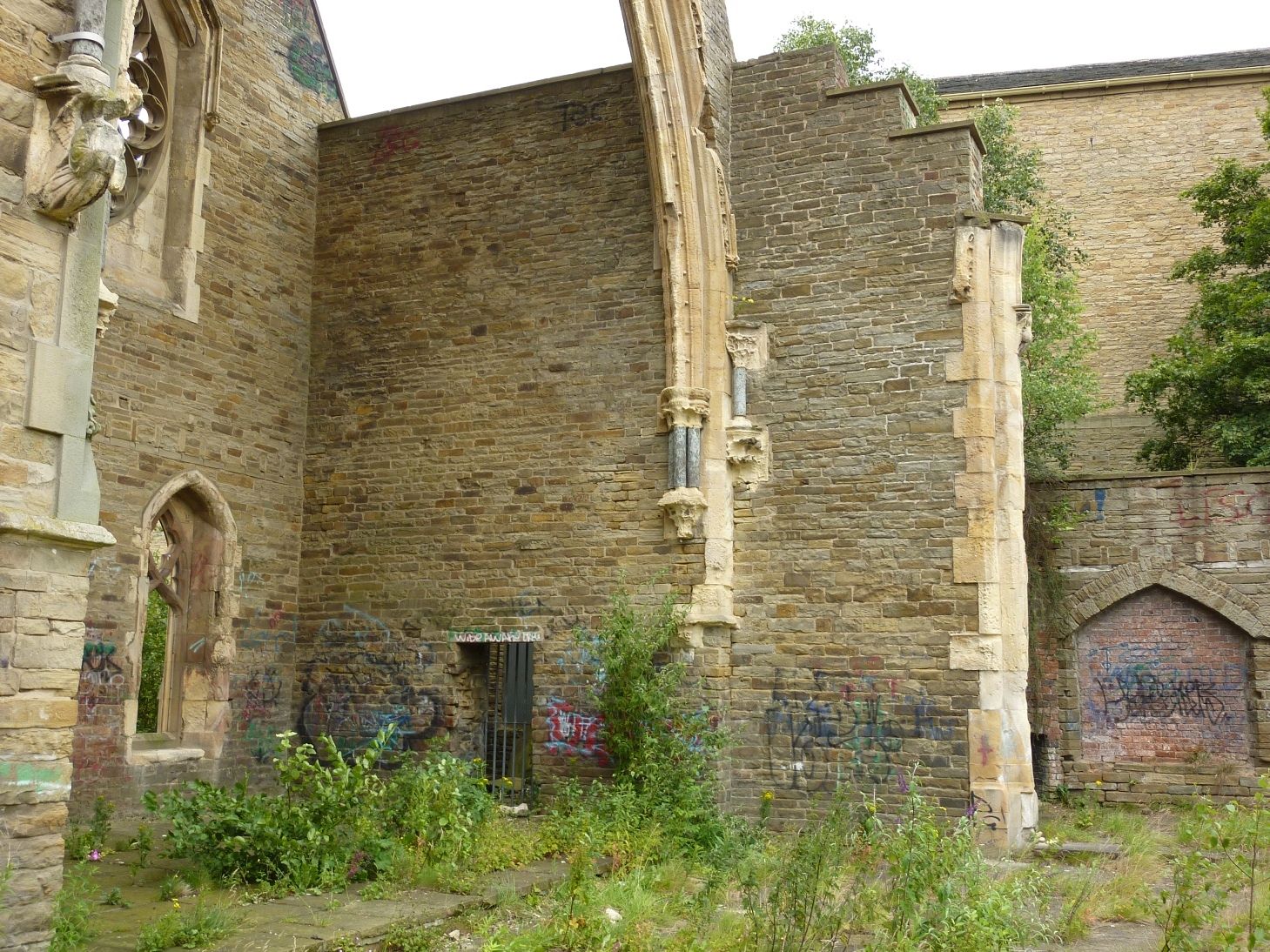
Another key benefit is that heritage surveys help preserve the original design and character of a building. Maintaining historical features is a priority in conservation projects, and accurate data ensures that these details are not lost during construction work. This is particularly important for buildings that have cultural or architectural significance.
Heritage surveys also support collaboration between everyone involved in a project. From architects and engineers to local authorities and community groups, having access to clear and reliable information helps ensure that all decisions are made with the building’s history and future in mind.
Surveyors play a vital role in heritage and conservation projects. By providing precise measurements, maps, and digital models, they form the foundation for successful planning and development. At Met Consultancy Group, surveyors work closely with clients to deliver detailed site information that supports every stage of a project.
Accurate survey data helps reduce the risk of errors during both the planning and construction phases. When teams have a clear understanding of a building’s structure and its surroundings, they can avoid costly mistakes and minimise disruption. This is particularly important when working on historic sites, where unexpected issues can be more difficult to resolve.
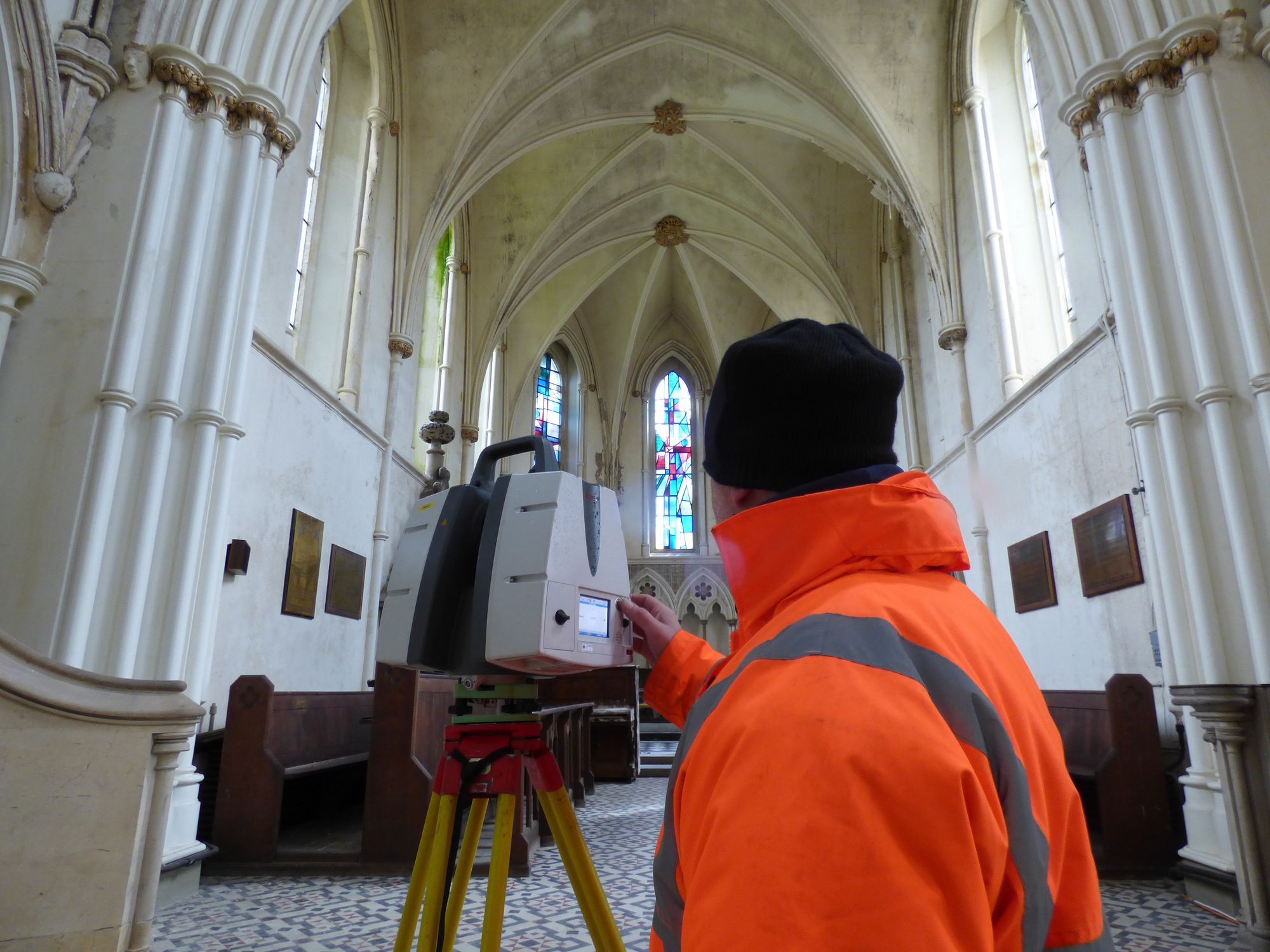
Modern surveying technology has significantly improved the way data is collected and shared. Tools such as 3D laser scanners and digital modelling software allow surveyors to capture information quickly and with a high level of accuracy. This data can then be easily shared between project teams, improving communication and overall efficiency.
Heritage surveys are a key part of protecting and preserving historic buildings. They provide the accurate information needed to plan restoration and development work while maintaining the character and significance of each site. Without this data, it would be much more difficult to carry out work in a safe, responsible, and compliant way.
At Met Consultancy Group, we understand the importance of careful planning when it comes to heritage projects. By delivering detailed and reliable surveys, we help ensure that historic buildings can be restored, maintained, and appreciated for many years to come. Through the use of modern surveying techniques and a commitment to accuracy, we support projects that protect the past while preparing for the future.
Comments Off on Heritage Surveys: Protecting the Past, For the Future